

Quality Assurance is Key
By: Liza Aronie and Greg Guiton
This is the first in a series of four articles we will publish in the next three newsletters. The remaining articles will take a deep dive into each of the three elements introduced here: Preventative Maintenance, Cultivating and Refining Positive Practices, and Ensuring Sustainable Change.
At Heroes, we do a lot of thinking about what makes newly learned concepts and practices “stick.” A great curriculum, skilled instructors, and robust training are the essential seeds to plant for success, and ensuring they are used most effectively is what allows positive culture to take root and grow. This is where quality assurance meets real world applications and lived experience.
In all industries, quality assurance aims to provide systematic and replicable efforts to ensure a product is sound, reliable, meets or exceeds expectations at every stage or level, and ultimately, serves its audience with intended effect. Recognizing that the strength of an organization relies substantially on the good health and overall wellness of its employees, it becomes clear that maintaining a strong quality assurance system is crucial to building the skills and positive culture of active bystandership within that organization. When working to improve organizational culture by weaving the tenets of active bystandership into every aspect of an organization, the importance of quality assurance cannot be overlooked or overstated. In fact, active bystandership is itself an effective form of quality assurance, as it seeks to identify potential issues before they can cause harm.
If we think of organizational culture like a delicate garden or ecosystem, we can identify quality assurance as a network of interwoven operations, “planting seeds” for the practices we want to develop, “watering” the good practices we want to encourage and sustain, and “weeding” out potentially harmful practices before they can take root. This process requires constant vigilance and attention to detail. And it requires systematically sowing into the structure of an organization practices that promote examining and improving operations at all levels, including specific policies to both encourage positive change and protect those who identify potential problems. Building a culture of active bystandership demands that members of an organization must feel both responsible and safe to show constructive loyalty to their colleagues, organization, community, and industry.
Preventative Maintenance
As we teach in the HEROES class, recognizing potential problems before they occur and multiply is the best way to prevent harm. Like pulling weeds before their root systems have fully taken hold, identifying small inconsistencies or instructional blunders in the early stages prevents their becoming large and proliferating problems down the road. The goal for any training program is to ensure that instruction is solid and consistent and promotes information retention. For training like the Heroes program, which promotes positive culture change, that goalpost is higher. Training is not only to provide information, but to foster new ways of thinking and promote new strategies for approaching difficult situations. Strong and timely quality assurance helps to identify areas in need of support or strengthening before they have a chance to scatter their seeds of widely negative effects.
Cultivating and Refining Positive Practices
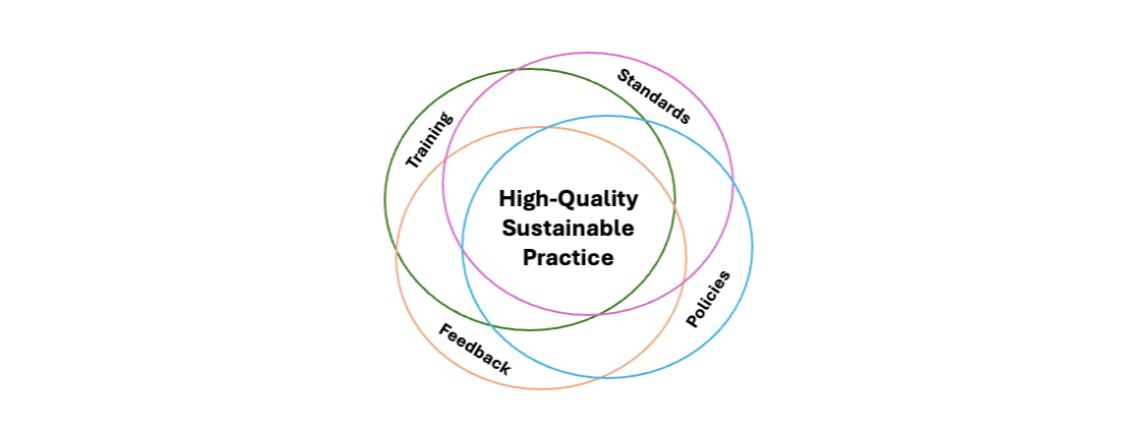
As important as staving off potential problems is homing in on best practices and weaving them into the everyday customs and culture of an organization. From a quality assurance perspective, this is the fertilizer of policies, guidelines and constructive feedback that must make their way through complex relationships between leaders, departments, colleagues, and those in an organization’s care. With respect to active bystandership, this process must include systematic audits of training, reporting, and investigations, and, as important, include both formal, scheduled surveys and informal interactions with staff. The audit system itself must be constantly reviewed to confirm it is capturing a full complement of organizational activities. The goal is continuous, steady, sustainable, and proliferating improvement. In all of this, clarity, consistency, and proactive problem-solving help to ensure best practices are noticed, noted, and shared.
Celebrating success is an important and often forgotten component of quality assurance; you must promote and praise the behaviors you want to continue. We must take this one step further and examine the roots of success. What worked well? What failed to deliver desired consequences? And finally, when we do fail, how do we remediate to achieve desired results? By naming these factors and determining why they had a particular effect, we can better assess and redirect our efforts to accelerate and amplify best practices. Positive action begets more positive action; this is true for active bystandership and quality assurance.
Ensuring Sustainable Change
Long-term organizational health requires allowing quality assurance practices to grow and evolve using elements of the existing positive culture of an organization. In other words, establishing and encouraging new ways of thinking must be done in such a way as to blend seamlessly into recognized culture and practices, incrementally tailoring behaviors in ways that work within that specific environment to cascade throughout all ranks, levels, and practices of an organization. What works in one organization might not be perfect for another; each “ecosystem” has its own unique needs and processes, just as different soil, sun, and water conditions affect what will grow in a particular environment.
The most effective quality assurance considers sustainability over the course of time within each unique organization; within that environment, fantastic practices in one moment mean very little if they cannot thrive and grow or are snuffed out by negative forces. Maintaining balance between skills training and the environment in which those skills operate is the prime target for quality assurance.
Positive organizational culture change through active bystandership requires intention and permission. Formal and informal leaders must clearly communicate their expectations for this new expression of constructive loyalty in a way that makes everyone recognize their role in the change. To do so, it is important for leaders to address resistance to change, quell fears of retaliation using policy and procedure, and give those around them explicit permission to identify potential harm. The best way to show true commitment to all of this is to capitalize on a strong, yet flexible quality assurance program that ensures the principles of active bystandership are efficiently and effectively integrated into the foundations of an organization’s culture.